Vitamin E 400 IU Benefits: Complete Science-Backed Guide to Antioxidant Support
Hook Introduction (Problem-Focused)
Oxidative stress is one of the most overlooked drivers of long-term health decline. It quietly damages cells, accelerates aging, and contributes to issues like weakened immunity, cardiovascular strain, and skin deterioration. Most people don’t notice it happening — until the effects become visible or symptomatic.

This is where Vitamin E, a fat-soluble antioxidant, becomes highly relevant. Products like Nature Made Vitamin E 400 IU (180 mg dl-Alpha Softgels) are formulated to help neutralize oxidative damage and support cellular integrity over time. But to understand whether this supplement is actually worth taking, you need to look beyond marketing — and into the biology.
Category Identification
Category: Vitamins & Minerals
This article will focus on:
- Scientific mechanisms
- Deficiency risks
- Long-term health optimization
- Evidence-based benefits
Primary Keyword
Vitamin E 400 IU benefits
Secondary Keywords
- Vitamin E antioxidant supplement
- dl-alpha tocopherol benefits
- Vitamin E for skin and heart health
- Vitamin E deficiency symptoms
- Best time to take Vitamin E
- Vitamin E immune support
Why Oxidative Stress & Vitamin E Deficiency Happens
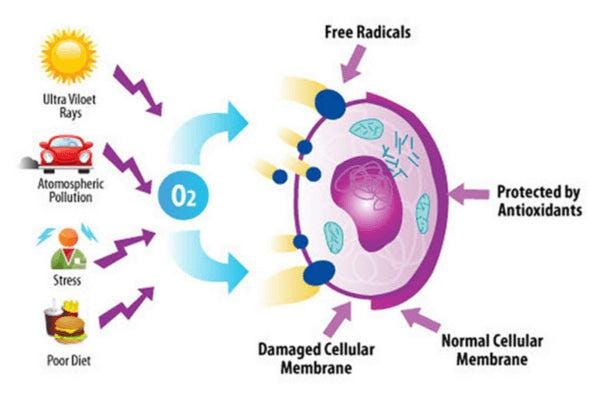
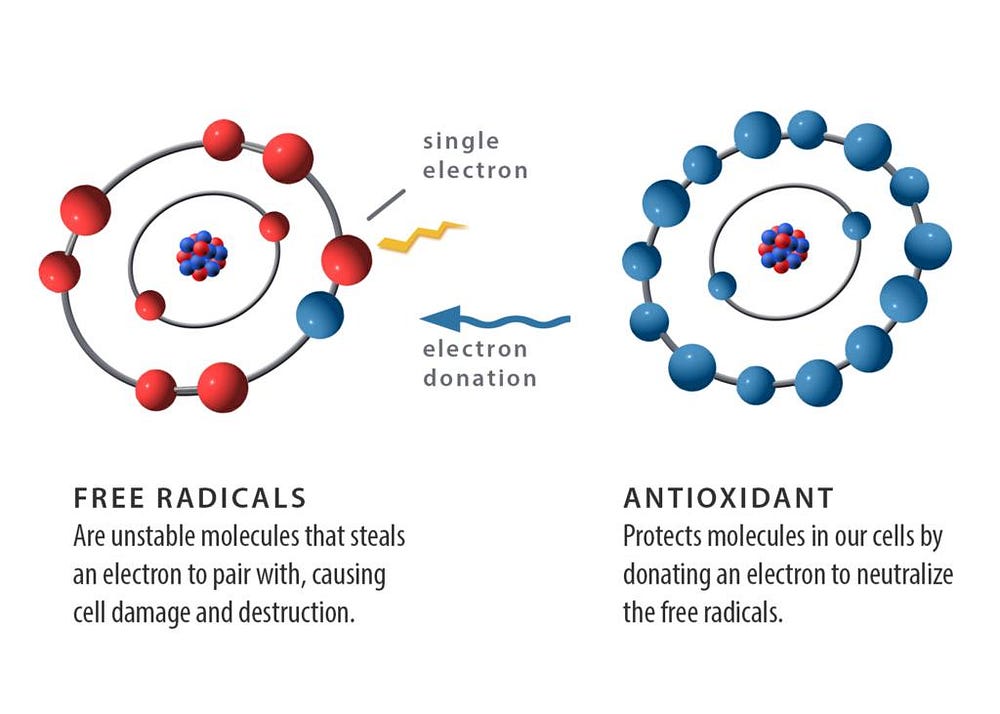
Oxidative stress occurs when there’s an imbalance between free radicals and antioxidants in the body. Free radicals are unstable molecules generated by:
- Pollution and environmental toxins
- Processed foods and poor diet
- Smoking and alcohol
- Chronic inflammation
- UV exposure
Vitamin E plays a critical role because it is one of the primary fat-soluble antioxidants embedded in cell membranes. Without adequate levels, lipid structures in cells become vulnerable to oxidation.
Common Causes of Low Vitamin E Levels
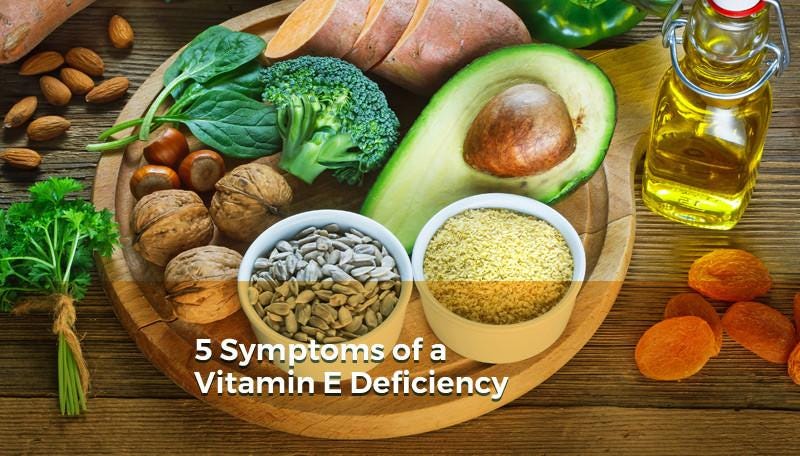
- Low-fat diets (Vitamin E requires fat for absorption)
- Malabsorption conditions (e.g., IBS, Crohn’s)
- Aging-related nutrient decline
- Poor dietary intake (lack of nuts, seeds, oils)
How Vitamin E Works in the Body (Biological Mechanism)
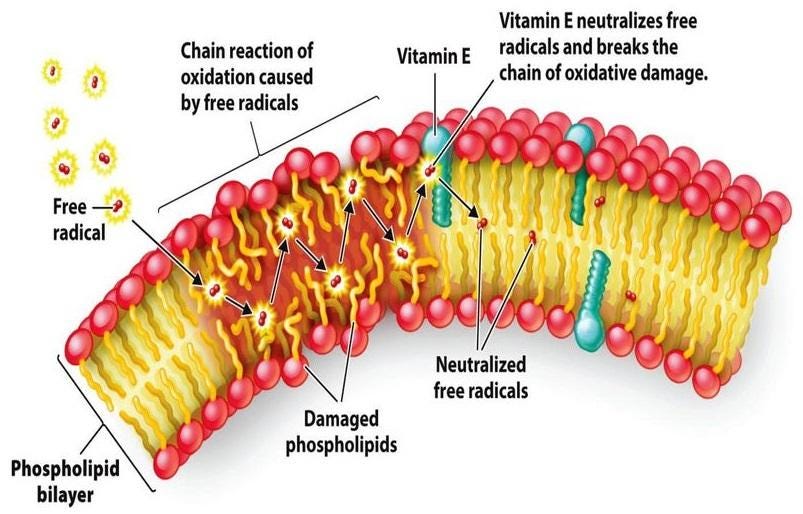
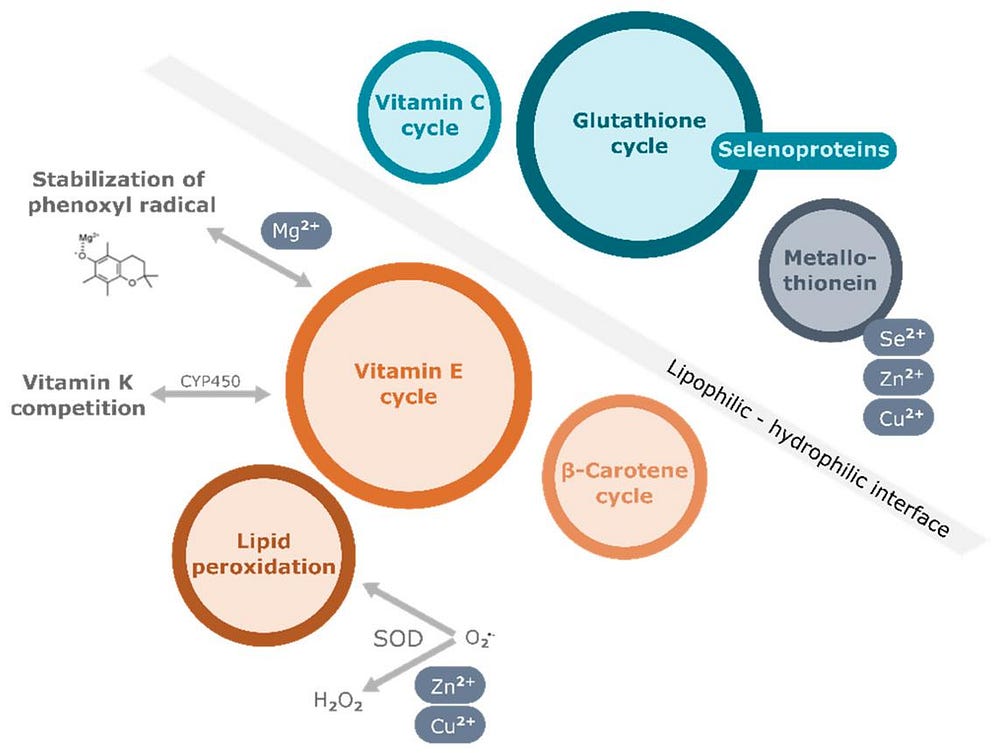
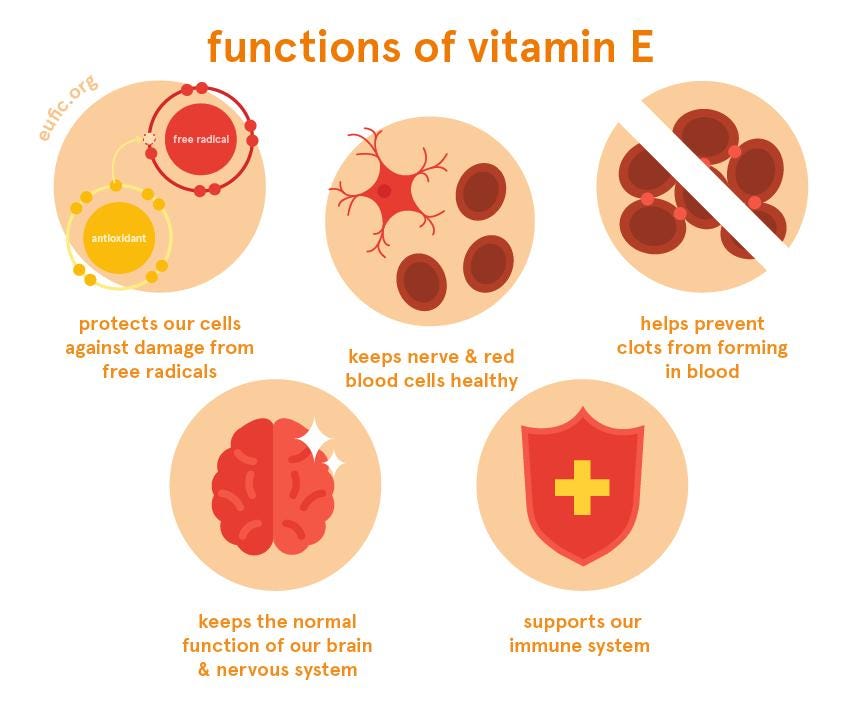
Vitamin E (particularly tocopherols) functions at the cellular level:
1. Lipid Protection
Vitamin E protects polyunsaturated fatty acids in cell membranes from oxidation. This process prevents lipid peroxidation, which can destabilize cells.
2. Free Radical Neutralization
It donates electrons to free radicals, stabilizing them and preventing chain reactions of cellular damage.
3. Immune System Modulation
Vitamin E supports T-cell function and enhances immune signaling, especially in older adults.
4. Anti-Inflammatory Effects
By reducing oxidative stress, Vitamin E indirectly lowers inflammatory signaling pathways.
Evidence & Scientific Research
Clinical and observational research supports the role of Vitamin E in multiple systems:
- According to the National Institutes of Health (NIH), Vitamin E is essential for immune function and cellular signaling.
- A study indexed in PubMed highlights Vitamin E’s ability to reduce oxidative damage in lipid membranes.
- The NIH also reports that Vitamin E deficiency, although rare, can lead to nerve damage and muscle weakness over time.
Additional research suggests:
- Improved endothelial function (linked to cardiovascular health)
- Reduced oxidative markers in clinical populations
- Support for skin barrier integrity
Key Benefits of Vitamin E 400 IU
1. Antioxidant Protection
Vitamin E is one of the most potent lipid-phase antioxidants, protecting cells from long-term oxidative damage.
2. Heart Health Support
It helps maintain healthy blood vessels by reducing oxidative stress in arterial walls.
3. Skin Health & Aging
Supports hydration, elasticity, and protection from UV-induced damage.
4. Immune System Enhancement
Particularly beneficial for aging populations with declining immune response.
5. Eye Health Support
May contribute to long-term retinal protection when combined with other antioxidants.
Who Should Consider Vitamin E Supplementation
This product may be beneficial for:
- Individuals with low antioxidant intake
- Adults over 40 (increased oxidative stress burden)
- People exposed to pollution or high stress
- Individuals with dry skin or skin barrier issues
- Those seeking long-term cardiovascular support
Who Should Avoid or Use Caution
Vitamin E supplementation is not for everyone.
Use caution if you:
- Are on blood-thinning medications
- Have a bleeding disorder
- Are undergoing surgery (pause use before procedures)
- Already consume high-dose multivitamins
Consult a healthcare professional before starting.
Dosage & Safety
Typical dosage:
- 400 IU (180 mg) per day
The National Institutes of Health states:
- Recommended Dietary Allowance (RDA): ~15 mg/day
- Upper limit: 1,000 mg/day
Important Notes:
- Take with meals containing fat for optimal absorption
- Avoid combining multiple high-dose antioxidant supplements without guidance
How This Product Stands Out
Nature Made Vitamin E 400 IU Softgels offers:
- Clinically studied dl-alpha tocopherol form
- Easy-to-absorb softgel delivery
- High potency for antioxidant support
- Trusted manufacturing standards
Unlike low-dose formulations, the 400 IU strength targets therapeutic antioxidant support, not just baseline nutrition.
Final Summary
Vitamin E is not just another vitamin — it’s a frontline defense against oxidative stress, which is deeply tied to aging, immunity, and long-term health outcomes.
If your diet lacks sufficient antioxidant-rich foods, or if your lifestyle increases oxidative exposure, a targeted supplement like Vitamin E 400 IU can help support cellular resilience.
For those looking to strengthen their antioxidant foundation, this is a strategic addition — not a quick fix, but a long-term investment in health.
Scientific Sources
- National Institutes of Health
https://ods.od.nih.gov/factsheets/VitaminE-HealthProfessional/ - PubMed
https://pubmed.ncbi.nlm.nih.gov/ - National Institutes of Health
https://www.ncbi.nlm.nih.gov/books/NBK459303/
FAQ Section
1. What does Vitamin E 400 IU do for the body?
It primarily acts as a fat-soluble antioxidant, protecting cells from oxidative damage and supporting immune, skin, and cardiovascular health.
2. Is 400 IU of Vitamin E too much?
For most healthy adults, it is within safe limits, but long-term high doses should be monitored, especially if combined with other supplements.
3. What is the best time to take Vitamin E?
Take it with a meal containing fats to enhance absorption, typically during lunch or dinner.
4. Can Vitamin E improve skin health?
Yes, it supports skin hydration, elasticity, and protection against environmental stressors.
5. What are signs of Vitamin E deficiency?
Symptoms may include muscle weakness, vision issues, and impaired immune response, though deficiency is rare.
Comments
Post a Comment